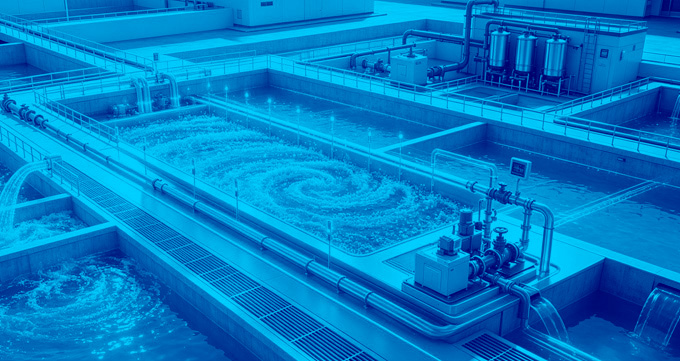
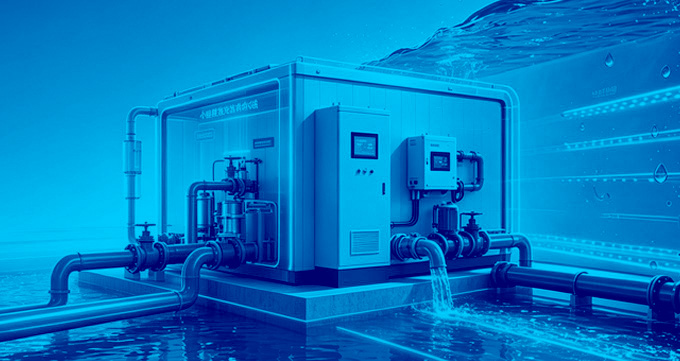
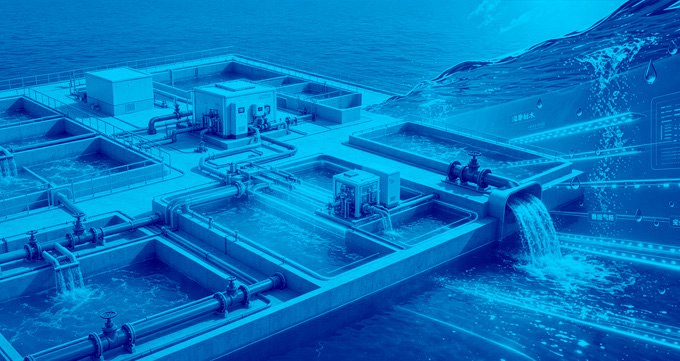
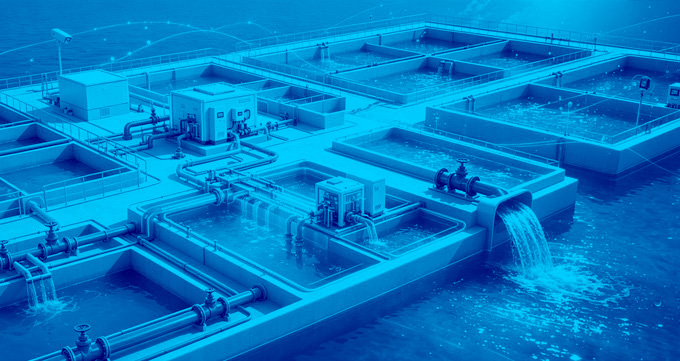
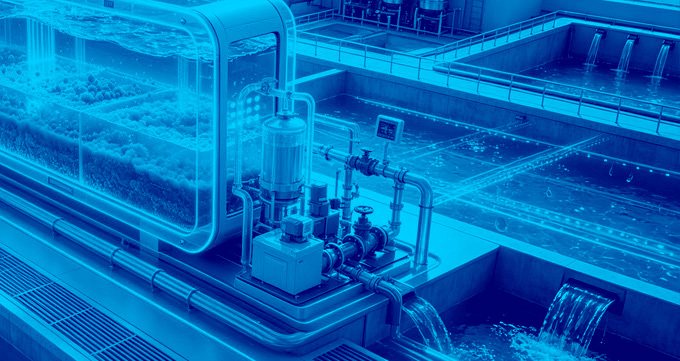
We provide coordinated smart control for aerobic aeration and anoxic carbon source dosing. Based on influent pollution load, AI algorithms simultaneously optimize oxygen supply and carbon source dosing — achieving precise aeration and carbon source utilization while ensuring effluent quality, driving operations from "extensive" to "refined."
How It Works
Smart Aeration Control
Feedforward Compensation – Cascade Feedback – Blower Coordinated Control Strategy
On-demand Air Supply — Dynamically calculates theoretical air demand based on influent COD and ammonia nitrogen load, precisely controlling DO concentration in the aerobic tank by adjusting blowers and air control valves.
Energy Savings — Avoids power waste from over-aeration, effectively reducing aeration energy consumption (blowers in biological tanks account for 50%–70% of total plant energy consumption).
Smart Carbon Source Dosing Control
Shares influent load data with the aeration system to enable coordinated "carbon source dosing – dissolved oxygen control" — preventing excessive carbon source dosing from affecting aerobic oxygen demand.
Based on biological denitrification kinetics models, precisely responds to total nitrogen removal demand, reducing ineffective carbon source consumption.
Applications
Biological systems requiring stable operation under large influent fluctuations and imbalanced C/N ratios.
Wastewater plants facing dual pressure on energy and chemical costs, committed to cost reduction and efficiency improvement.
Wastewater treatment facilities seeking higher automation and reduced manual intervention.