
In 2026, the global water treatment industry continues to welcome policy upgrades and technological innovations. Countries continuously ramping up efforts in water resource recycling, low-carbon water treatment, and the management of emerging pollutants, making the competitive landscape of high-end, resourceoriented, and low-carbon development increasingly prominent.
At the policy level, the European Union continues to lead the green water transformation. This year, it launched a water support program, investing tens of millions of euros to support member states' sewage resource recovery and energy-saving renovation projects, helping municipal and industrial water systems reduce carbon and increase efficiency. Meanwhile, the EU is focusing on tackling emerging persistent pollutants such as PFAS, updating water environment control standards, and continuously tightening the entry thresholds for discharge and water safety.
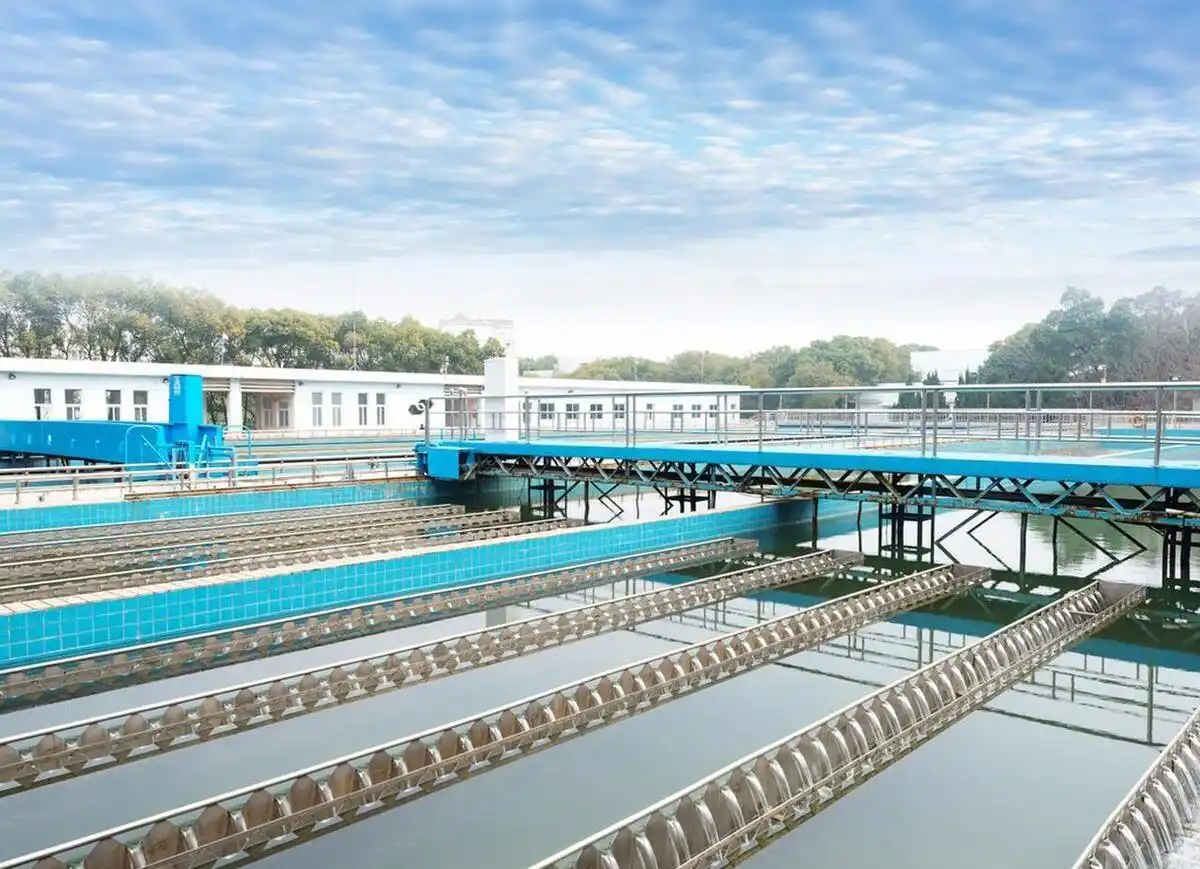
North America focuses on industrial water conservation and precision pollution control. The U.S. Environmental Protection Agency has upgraded its Water Recycling Action Plan focusing on promoting wastewater deep reuse renovations in water-intensive industries such as semiconductors and energy. It has also implemented several demonstration projects for emerging pollutant management, relying on ion exchange and advanced oxidation technologies to achieve safety and quality upgrades for municipal water bodies, driving the transition of water treatment from standard discharge to refined purification.
The Middle continues to deepen its presence in the core track of seawater desalination. Water-scarce countries like Israel and the UAE are continuously expanding large-scale seawater desalination projects iterating energy-saving reverse osmosis desalination technologies, and constantly improving freshwater production efficiency while reducing energy consumption costs, providing a global benchmark solution for the resource utilization of water in arid regions. New high-efficiency desalination and brine reduction technologies are also being rapidly promoted globally.
The Middle continues to deepen its presence in the core track of seawater desalination. Water-scarce countries like Israel and the UAE are continuously expanding large-scale seawater desalination projects iterating energy-saving reverse osmosis desalination technologies, and constantly improving freshwater production efficiency while reducing energy consumption costs, providing a global benchmark solution for the resource utilization of water in arid regions. New high-efficiency desalination and brine reduction technologies are also being rapidly promoted globally.
2026-09-29
Circular water management and smart water management reconstruct the industry ecology2026-09-29
Many countries accelerate technological iteration, with resource utilization and low-carbon governance becoming the mainstream.2026-09-29
Industrial wastewater resource utilization: from meeting discharge standards to turning waste into treasure. Telephone:+86-13372145285
Address:No. 100, Guangqi Road, Science and Technology City, SND, Suzhou , Jiangsu Province, China
E-mail:jonzo@jonzo.cn
Telephone:+86-13372145285
Address:No. 100, Guangqi Road, Science and Technology City, SND, Suzhou , Jiangsu Province, China
E-mail:jonzo@jonzo.cn